
Thanks so much for stopping by! I hope you'll engage by leaving comments, be encouraged, occasionally chuckle at discovered quirkiness, and even be inspired in faith. Please use the button to subscribe via email so you won't miss a post!
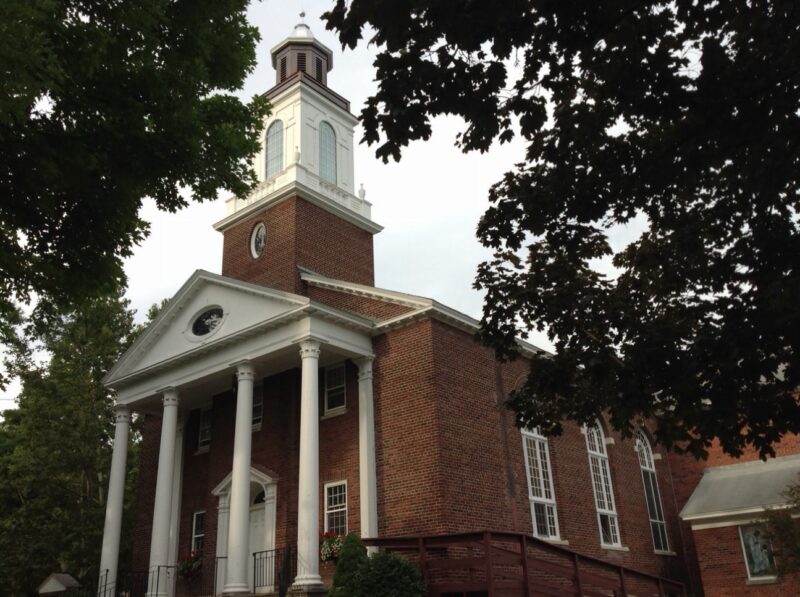
Why Baptist churches may be positioned to reach “normies”
There are over 46,000 Baptist churches in the United States - not enough for one on every street corner, but in some places, it feels like it. These congregational, down-to-earth evangelicals may hold a cultural key to influencing a post-Christian nation.

If you grew up in the South, you grew so used to seeing churches on every corner that you may not have ever truly thought about how many churches there were in your town. Near old down towns, there were the “first” churches – First Methodist, First Presbyterian, First Baptist. Often, in a wry nomenclature, some churches would name themselves in a particularly “less than” way and be known as Second Baptist or Second Presbyterian.
It was always the Baptists that seemed to have the most churches. This wasn’t because of their strategic church planting. It most often was the result of what we call church splits. The reasons for these faith family fractures are less than laudable. However, in many cases, a few years in, both the original church and its unfortunate stepchild grow back to spiritual health, and each reaches people in their shared community.
Because there are a plethora of Baptist churches across the country, they seem able and well positioned to reach a new host of the country’s population that has been identified as “normies.” More often than not, these Baptist churches advocate the values of conservatism, limited government (after all, they’ve learned practically in their own congregations the importance of checks and balances due to sinful human nature), and individual responsibility.
This post builds on two excellent articles published in March in The American Reformer:
- Fortress Building In Negative World by Timon Cline and Clifford Humphrey
- Restore Baptist Churches To Save The West by Rhett Burns
Both posts are worth reading when you’ve got about 30 minutes of thoughtful reflection.
On to my summary/conclusions
In their “Fortress Building” article, Cline and Humphrey use Aaron Renn’s thought-provoking must-read Life in the Negative World as a launch pad for reflection. They note that one lesson for Baptists is to:
“Identify a population that is critical to your enemy and find a way to acquire their loyalty. In our situation, this means the Normies, the potentially “red-pilled” who are otherwise useful idiots for the opposition. Winning them is crucial.” 1
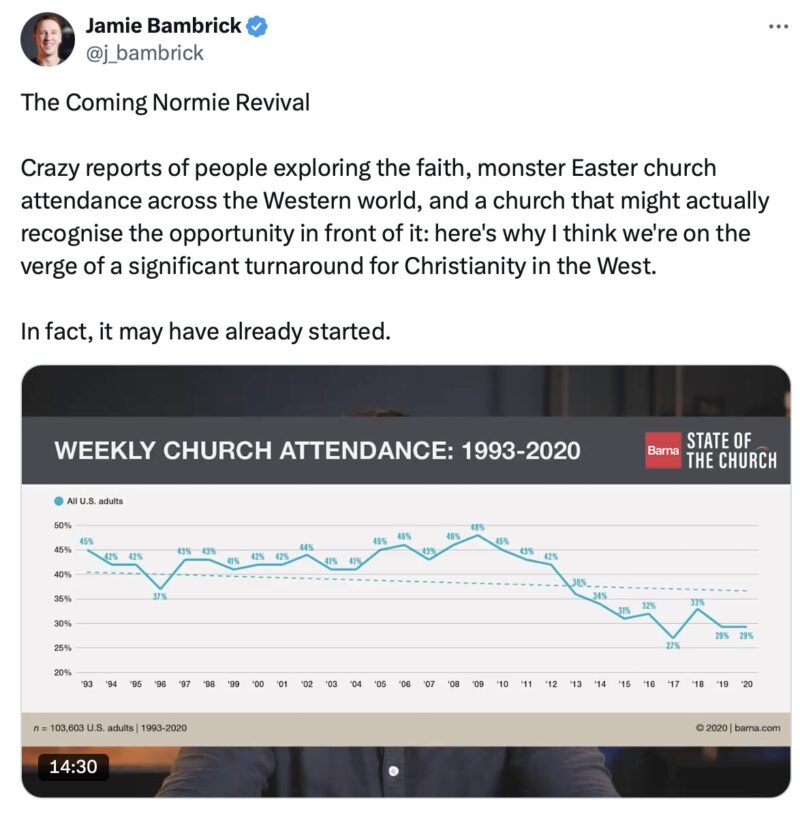
Baptist churches are well-positioned to win the loyalty of Normies because they are, well, normal. The religious culture of America, for good or ill, is largely Baptist due to the proliferation of Baptist churches in the nineteenth and twentieth centuries. Many non-church-going cultural Christians in Appalachia and the South have personal and family roots in Baptist churches. Having grown up going to VBS and playing church basketball in Baptist churches as kids, the barrier to attending a Baptist church is fairly low because they are familiar. 2
The articles encourage us to understand the times and embrace the reality of a lost culture but one with immense opportunity for Christ-like ministry and influence:
American Protestants, Evangelicals, are no longer in control of the nation in which they live. They do not own the space culturally, economically, or legally… Renn advised Christians to shift their loyalty from the incumbent regime to the American people. At first glance, this move may appear impossible. How does one pledge allegiance to America and not to its political order? …Evangelicals should not expend their focus, time, or resources for patriotic interests, but rather for national ones. 3
Due to recognized corruption (in both parties and across political spectrums), Baptists in particular have practiced in their churches what is necessary for healthier cultures. Even though most Baptist churches are smaller and rural…
“…the remaining members in these churches are latently aligned with the new Christian Right. They wouldn’t necessarily put it in those terms, but they realize the country they knew and grew up with is gone, but they can’t quite put their finger on how it happened or what to do about it. But they are eager for those who tell the truth without wavering and offer assertive leadership. When someone does that, their instincts align.” 4
A government, its law and enforcement apparatus, should never be hostile to the people or nation it governs. The longevity of the nation is the preeminent priority of any just regime. Insofar as our own government is hostile—sometimes openly—to the American nation and way of life, it is unjust. 3
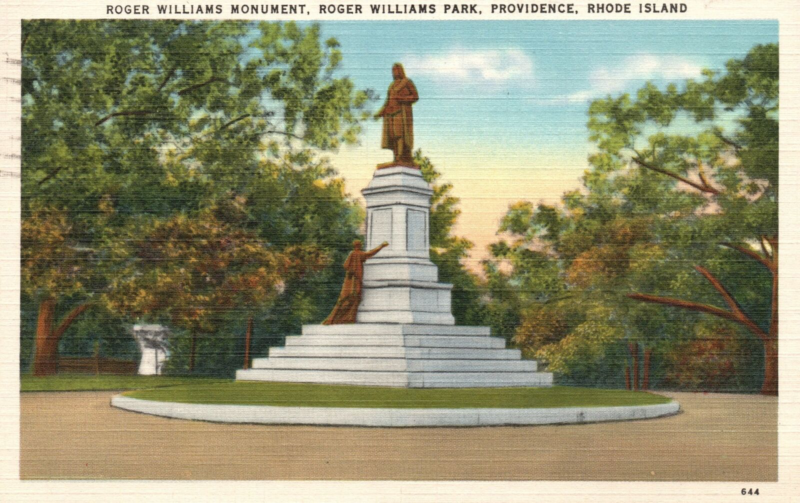
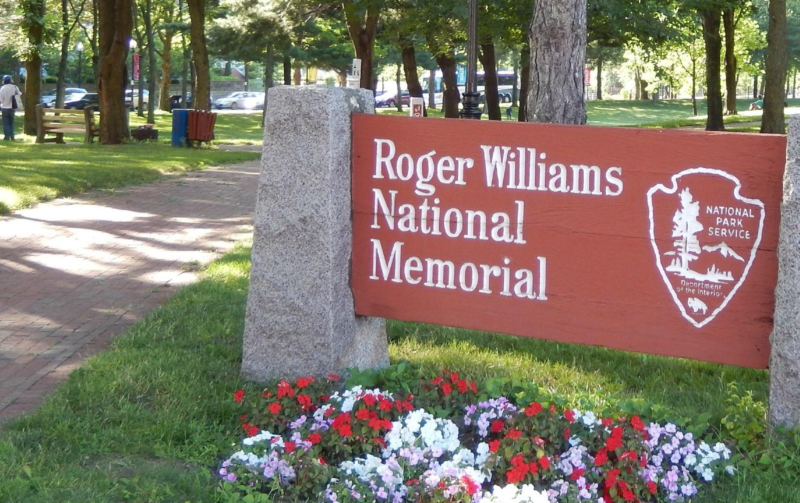
This injustice produces cultural unrest. We are at a cultural moment of great import. And Baptists just may offer the most grass roots, humble, earthy, experiential and experienced pathway to individual and even societal peace: faith in God through personal repentance. The uniqueness of Baptists is their congregational life, their rough and tumble, autonomous, religious liberty-loving Roger Williams-ness. 5
Most people don’t know that some of the first thoughts about the separation of church and state came from Roger Williams, founder of the first Baptist church in America. 6
“I infer that the sovereign, original, and foundation of civil power lies in the people.” The governments they establish, [Williams] wrote, “have no more power, nor for no longer time, than the civil power or people consenting and agreeing shall betrust them with.” (Ibid.))
If Baptists can rise above their bickering, they may just become blessers of a nation.
- Fortress Building In Negative World, by Timon Cline and Clifford Humphrey (American Reformer: March 9, 2024) [↩]
- Restore Baptist Churches To Save The West, by Rhett Burns (American Reformer: March 13, 2024) [↩]
- Cline and Humphrey.[↩][↩]
- Burns.[↩]
- Roger Williams (History: June 22, 2023) [↩]
- God, Government and Roger Williams’ Big Idea, by John Barry (Smithsonian: January 2012) [↩]
Subscribe
0 Comments
most voted